AR-DSKY-01§01
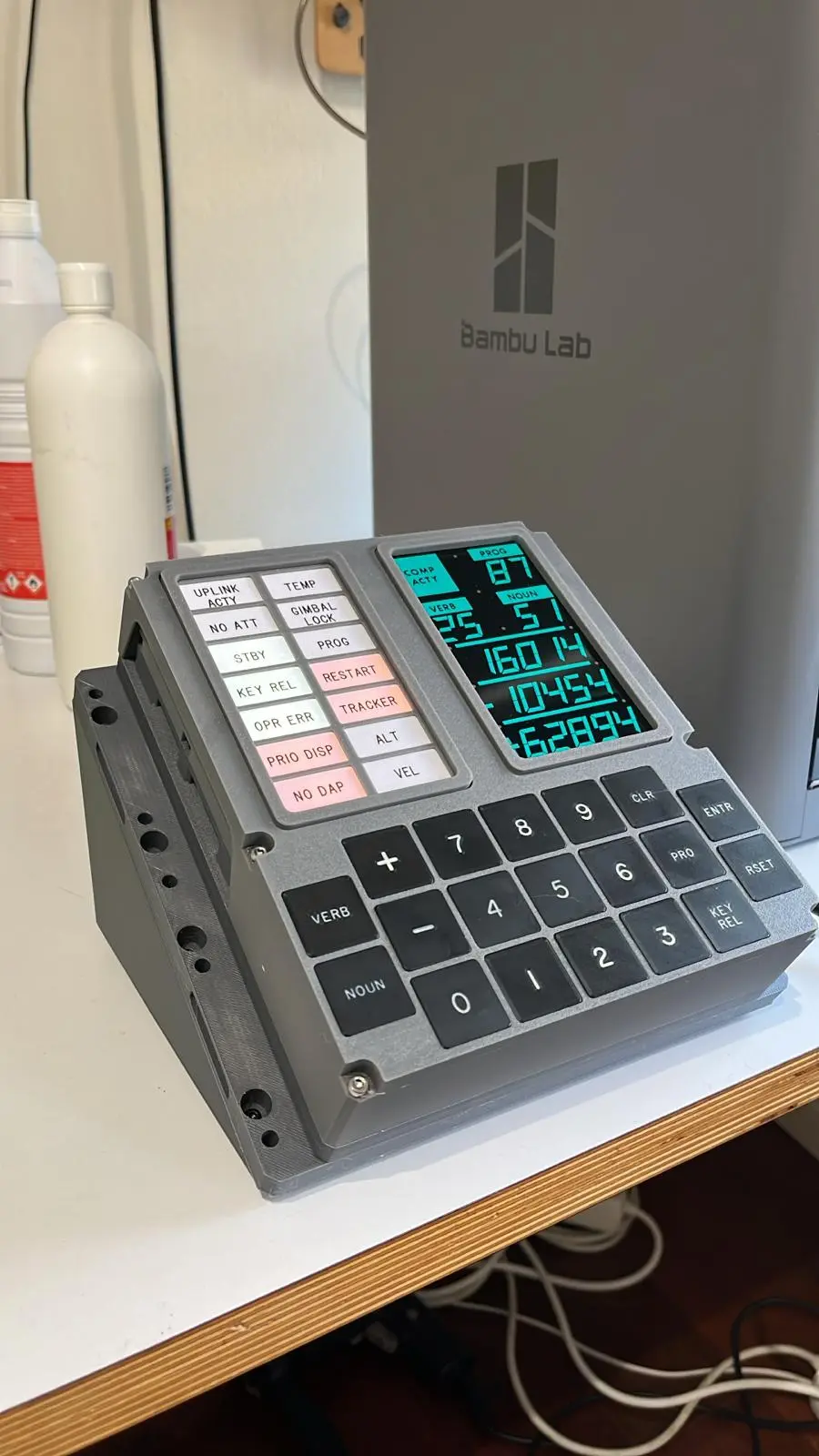
DSKY
DSKY replica assembled in the workshop, tested with AGC simulators and compatible with Home Assistant depending on your setup.
€599
3 days · handmade
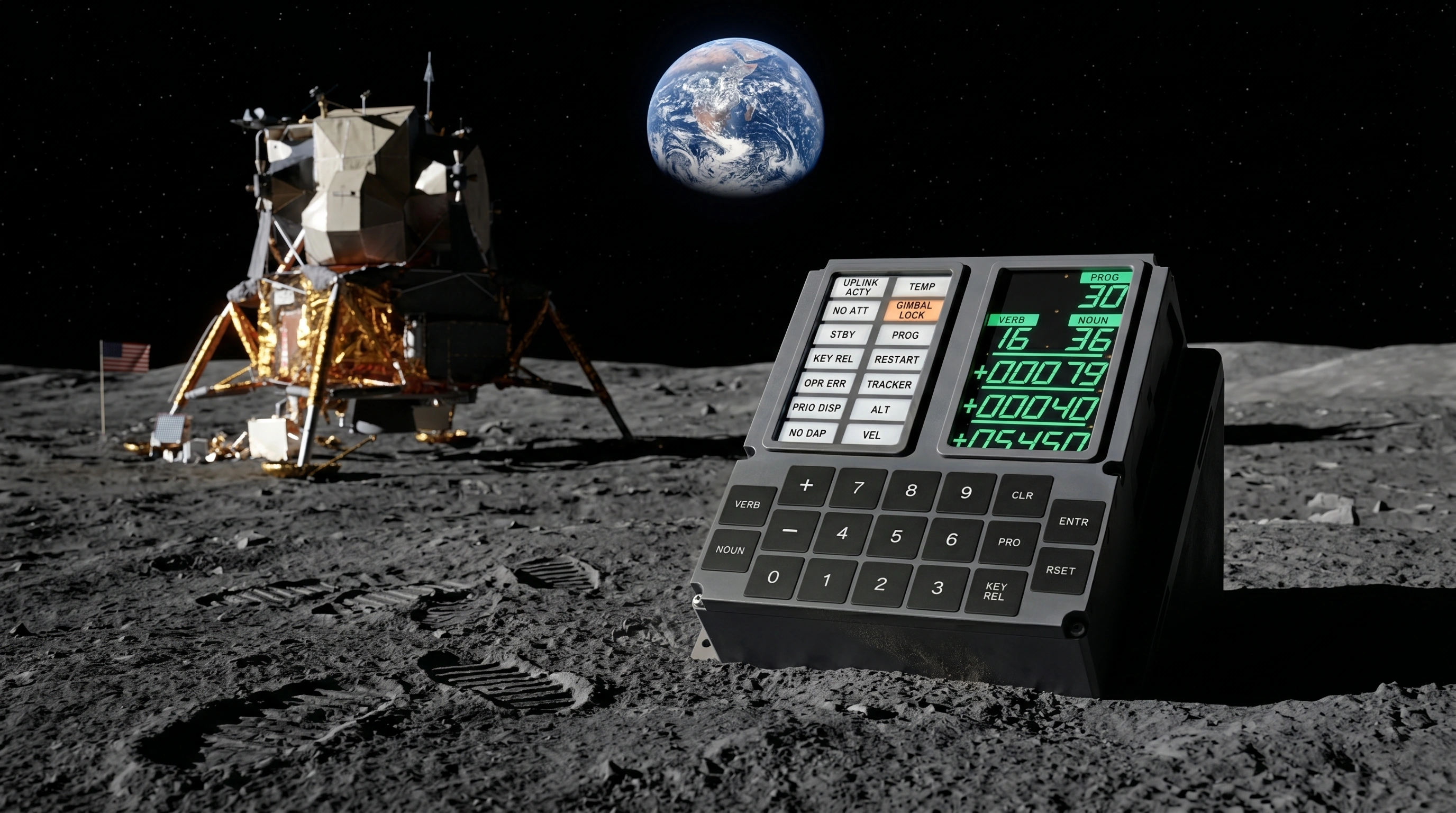
Apollo Replica handcrafts replicas inspired by Apollo-program hardware. Every unit ships with a signed certificate, serial number and test report.
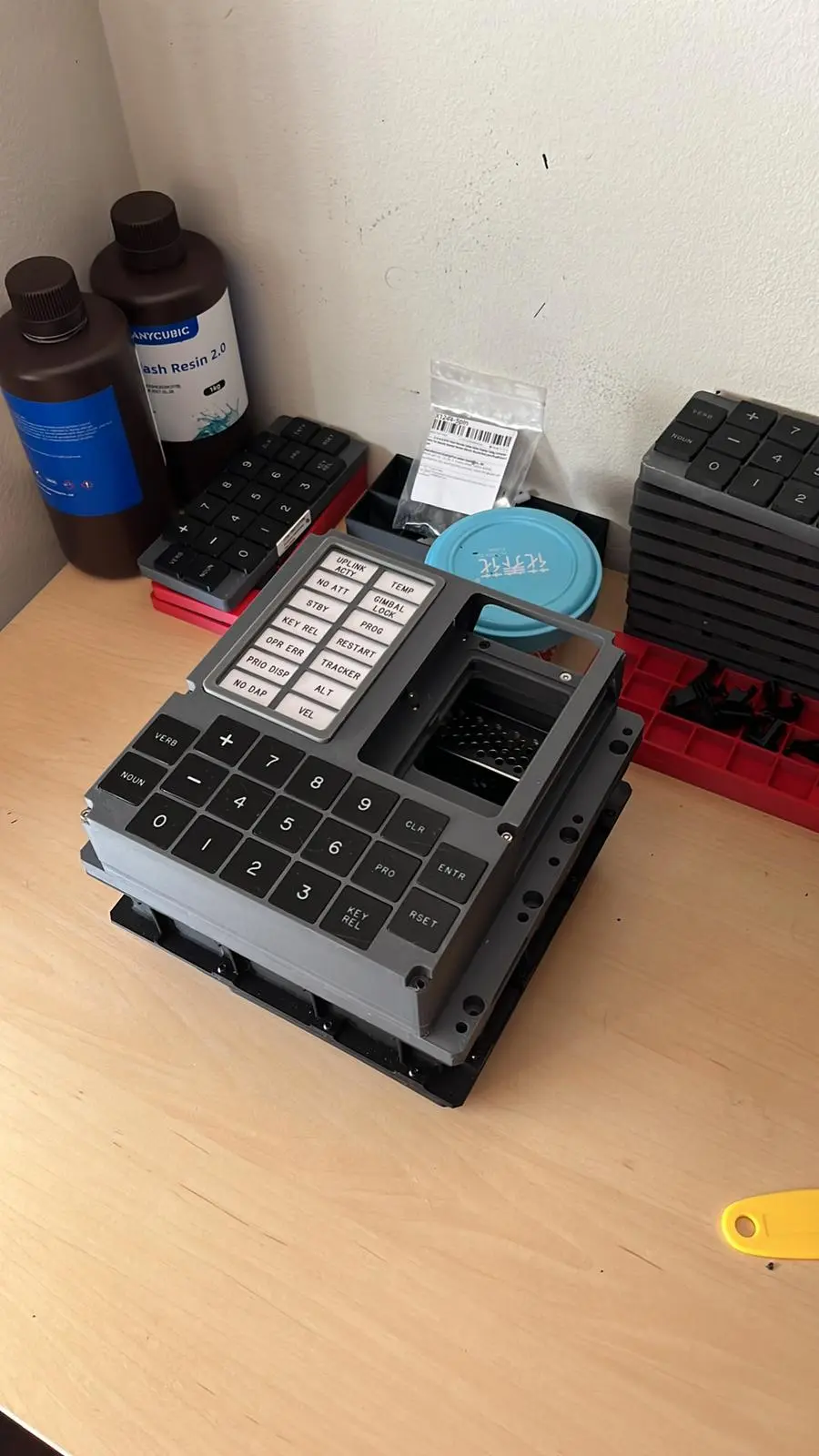
OLED display. PETG-printed keys, around 20h per set. Two-layer PCB. 3D-printed PLA chassis with a finish faithful to the original MIT Instrumentation Lab.
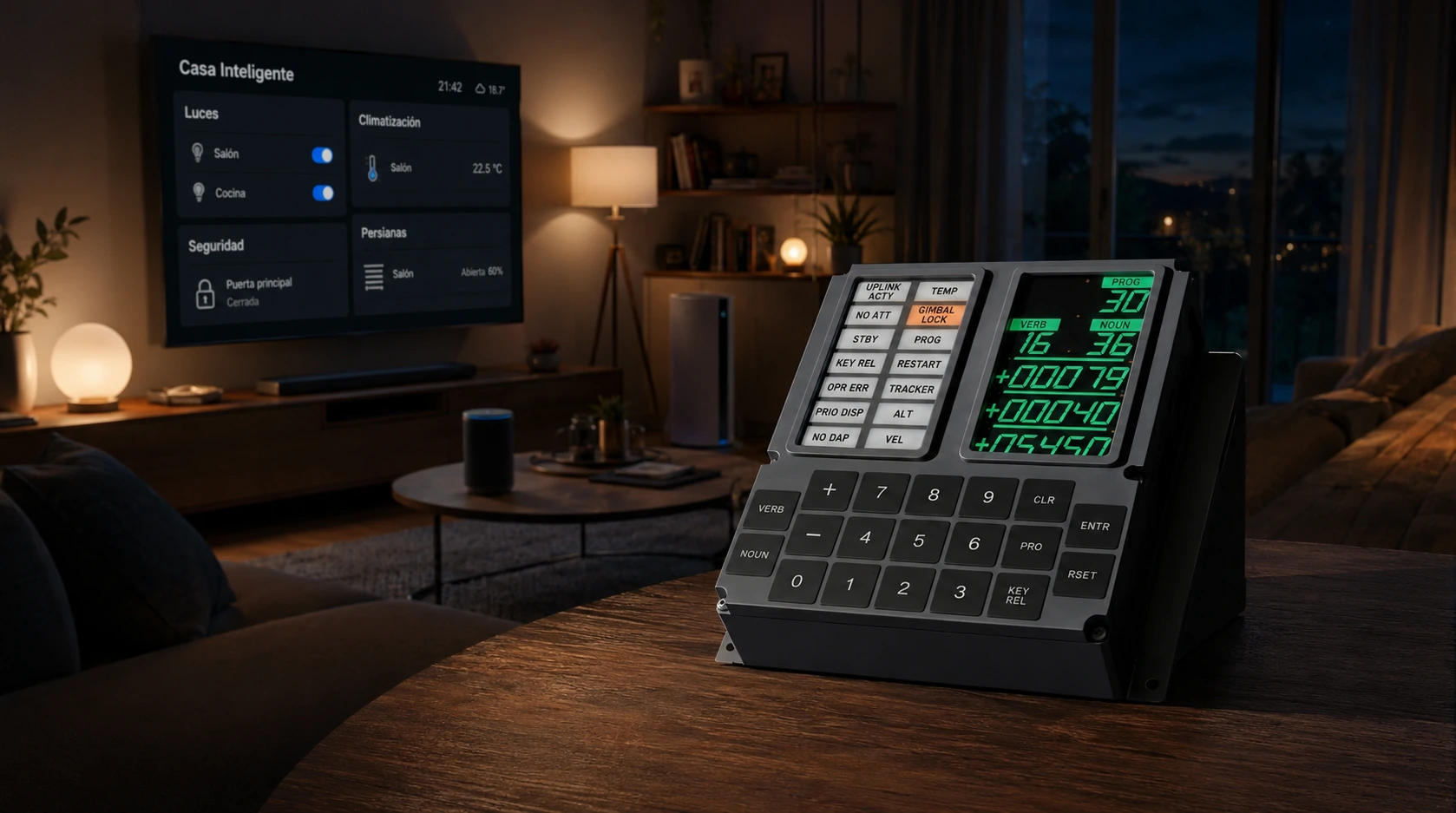
Pair your DSKY with Home Assistant over WebSocket. Display sensors, trigger automations and control devices using the original VERB · NOUN system.
If you want to build your own DSKY, we ship the tricky parts — assembled PCB and key set — or the full unit ready to use.
DSKY replica assembled in the workshop, tested with AGC simulators and compatible with Home Assistant depending on your setup.
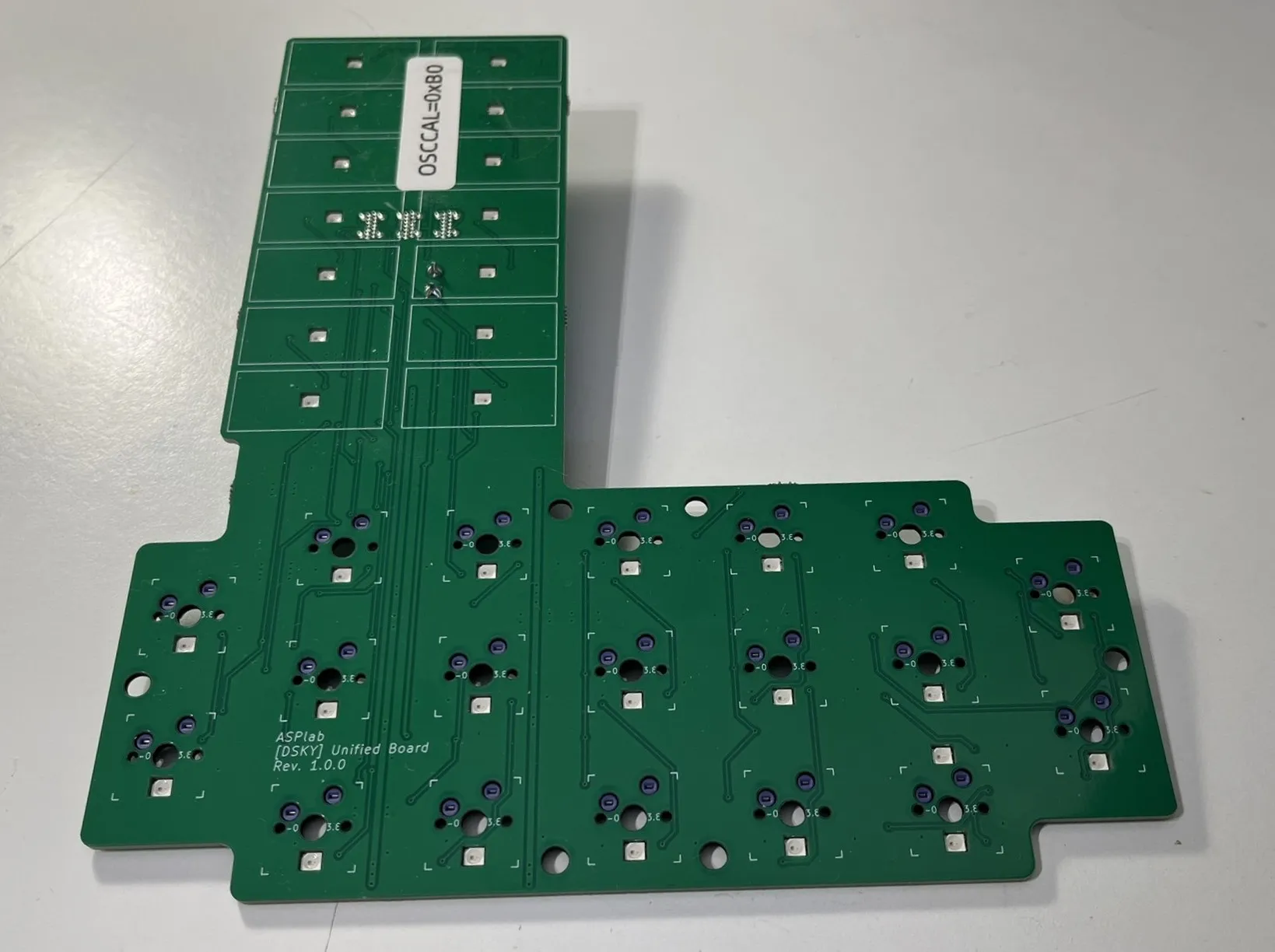
Fully assembled PCB with all board components populated. All you need is a case.
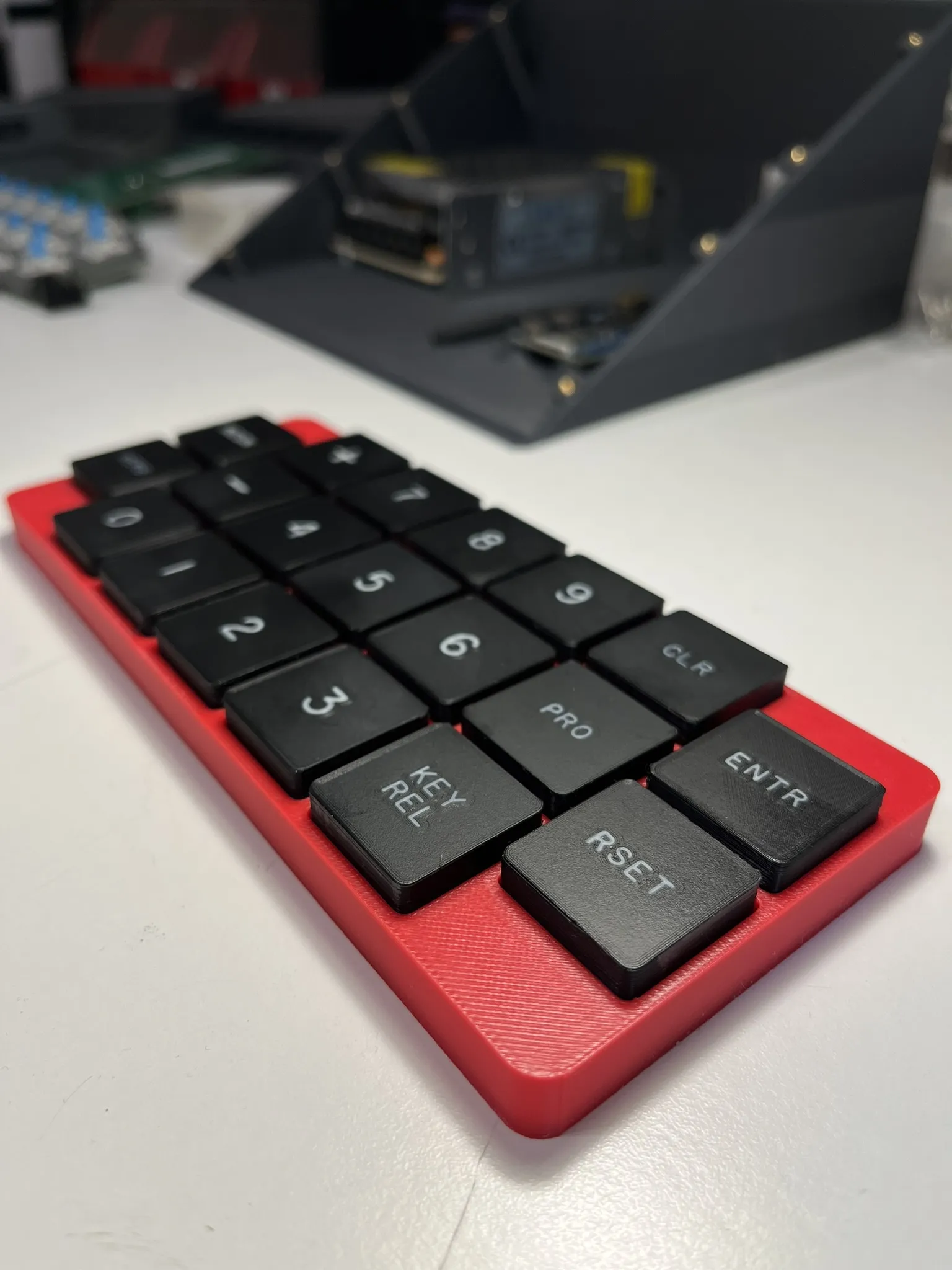
Complete set of 3D-printed PETG keys (~20h per set). Fits any DSKY case.
“Flying and practicing the Apollo missions in real time with the Apollo Replica DSKY is an incredible experience. It boosts immersion and my viewers are blown away by its fidelity.”
“There are things that, once you have them, you never want to go back from — like upgrading to a slightly larger monitor. Appreciating the scale of the panel through this 1:1 reproduction, the fluidity of running procedures without reaching for the computer keyboard, the aesthetics and the convenience of reading the simulator data without wasting time navigating the virtual cockpit make this reproduction absolutely worth it.”
“As the developer of REENTRY, I've been using the Apollo Replica DSKY with REENTRY for a long time, and it integrates seamlessly with the game. Beyond being a beautifully crafted and highly authentic piece of hardware that looks great on my desk, the DSKY is also the central interface in both the Command Module and the Lunar Module. Having it permanently available and ready to use is not only incredibly practical, but also an essential part of the virtual astronaut experience. The support has also been exceptional.”
Weighed 17.5 kg and had only 74 KB of ROM memory. Your smartphone has roughly 1 million times more memory.
The AGC software was literally woven into copper wires by textile workers. They called it "core rope memory" — each bit was a physical wire threaded through or around a magnetic core.
During the Apollo 11 landing, the computer triggered "1202" alarms due to overload. Margaret Hamilton's priority system allowed the mission to continue safely.